
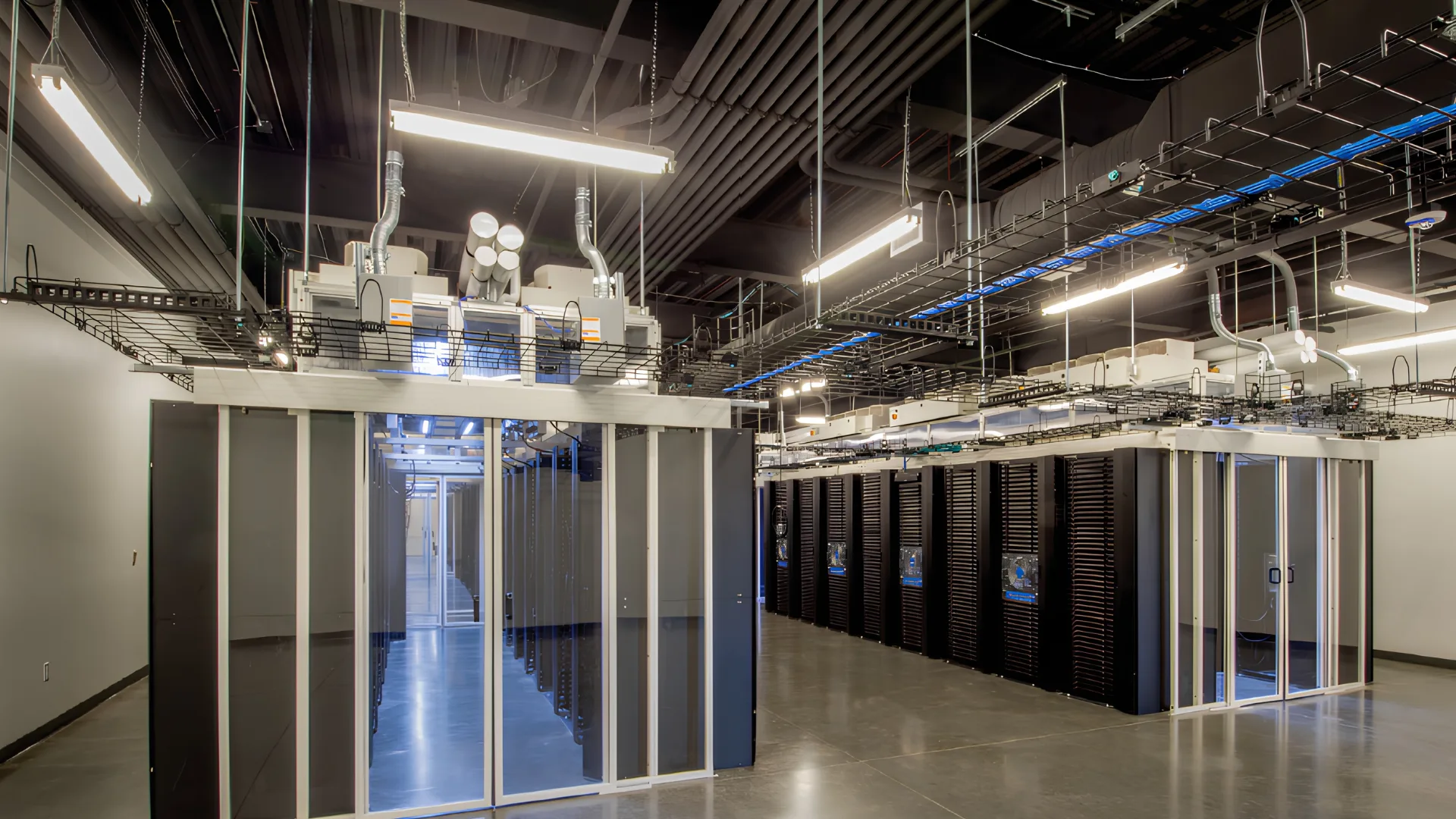
Large Loads: Behaviors, Capabilities, and Limitations documents how large load facilities are built and how they operate—and why they differ from the motor-driven loads the grid was planned around. The report was produced by ESIG’s Large Loads Task Force, which was formed to assist the power industry in addressing new challenges introduced by the rapid proliferation of large electronic loads such as data centers, crypto mining, and advanced manufacturing.
This report is part of a set of four interrelated reports on large load interconnection performance requirements. Together, the series is intended to help system operators, utilities, and developers understand large load behavior and assess reliability risks, and help system operators and utilities develop interconnection performance requirements tailored to their jurisdictions. The series aims to ensure that as new large load classes expand, they do so in ways that strengthen—not compromise—the reliability and resilience of the grid. See:
- Large Load Performance Requirements: Current Practices and Recommendations
- Large Load Disturbance Events
- Reliability Impacts of Large Loads
Because so many large load facilities are interfaced through power electronics, they can behave in ways conventional load models don’t capture. This report ties this back to a handful of underlying behaviors—insufficient disturbance ride-through capability, rapid changes in power consumption, repetitive power fluctuations, harmonic current injection, and interactions between facility controls and the power system—that recur across data centers, AI clusters, and cryptocurrency mines alike, as they can:
- Trip offline or reduce demand suddenly during grid disturbances, when ride-through capability is insufficient
- Ramp demand up or down within seconds, whether by design or in response to a fault
- Fluctuate repetitively during normal operation, in ways that are difficult to forecast on the timescales operators plan for
- Inject harmonics and interact with facility and grid controls in ways that can produce oscillations which threaten system stability
The report also looks at the positive side of that same design: many large loads already carry facility-level capabilities—workload scheduling, ramp-rate controls, and in some cases onsite energy storage—that could be used to manage their own demand profile and support predictable, less disruptive behavior, representing types of load flexibility that can help mitigate the reliability risks.
The report is written for grid planners and operators who need to understand large load behavior before they can plan around it, for large load developers and facility owners making design choices that affect how their facilities interact with the grid, and for standards bodies and researchers developing performance requirements.
Learn more about the work of ESIG’s Large Loads Task Force.