
ESIG Report Identifies Solutions to Address Structural Gaps in Transmission Planning for Large Loads
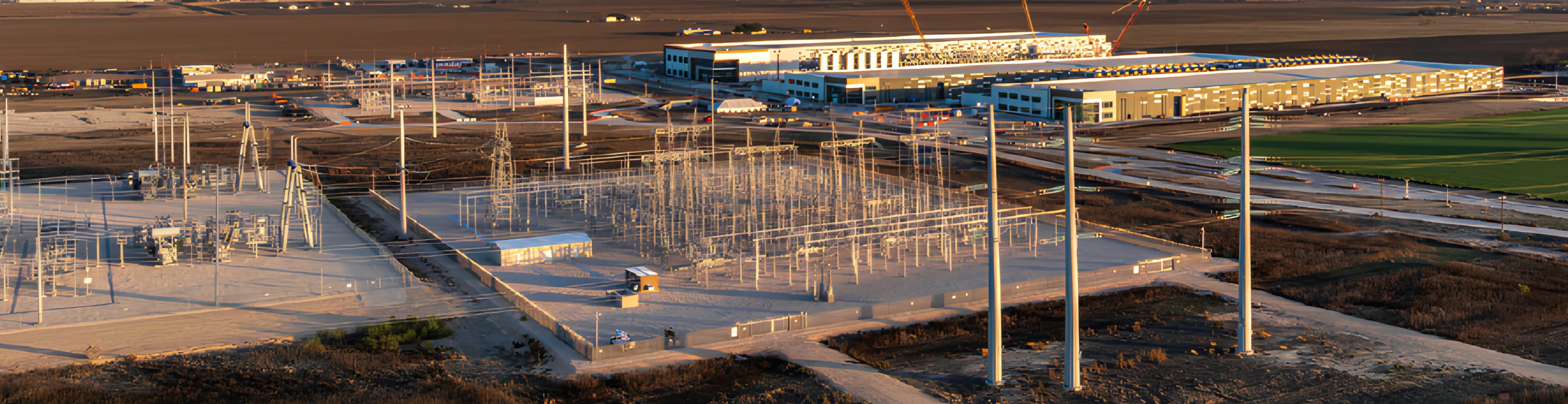
Transmission Planning with Large Loads: Current Practices and Recommendations, developed through ESIG’s Large Loads Task Force, traces the structural reasons why the growth in data centers, AI facilities, and other large loads is outpacing existing transmission planning processes, which were designed for slower and more dispersed demand growth. The report lays out what planners, utilities, and regulators can start doing now and over the longer term, as large load and associated generator interconnection requests continue to arrive faster than current planning processes can accommodate.
Large loads are seeking interconnection on timelines of months to a few years, far faster than the 5- to 10-year horizons of most transmission planning, permitting, and construction processes. Some facilities reach gigawatt scale and cluster geographically, meaning a single interconnection request can trigger regional-scale transmission needs. And because many proposed projects do not ultimately materialize, planners are left trying to develop long-lived, expensive infrastructure for a highly uncertain forecast of long-term needs.
The report identifies three structural reasons current planning processes struggle to keep pace: (1) planning functions are siloed by jurisdiction, time horizon, and study method; (2) there is a fundamental timing mismatch between how fast large loads want to connect and how long transmission takes to plan and build; and (3) planners face a radically different level of demand uncertainty that current planning methods were not designed to handle.
The report distinguishes between actions planners can take now with immediate payoff (such as studies that make visible where the grid can serve new load, tools that quickly expand available grid capacity, and coordinating assumptions across planning functions) and structural shifts in the planning process, including moving from project-by-project upgrades toward proactive, scenario-based, multi-value planning with longer-term benefits.
The report points to existing experience—including MISO’s Long Range Transmission Planning, SPP’s proposed Consolidated Planning, Texas’s Competitive Renewable Energy Zones, and the Australian Integrated System Plan processes—as models for what better planning can look like under conditions of rapid but uncertain large load growth.
Report authors will discuss the report during an in-depth webinar on August 20, 2026 from 4:00 p.m. – 5:00 p.m.