

The successful operation of a power grid relies on grid services at different time scales in the form of energy, capacity, and essential reliability services. As inverter-based resources (IBRs), such as wind, solar, battery storage, become an integral part of generation mix, it is important to investigate the grid services that they could provide.
The Reliability Services Project Team is undertaking a comprehensive effort to understand the changing system needs for essential reliability services as well as the capabilities of existing and new generation resources, including IBRs, to provide deliver these services. Typically, consideration grid services where there are increased levels of IBRs tends focus on new IBRs with additional advanced capabilities; however, some of these services can likely be obtained from untapped capabilities of existing IBRs already on the network.
Completed Work:
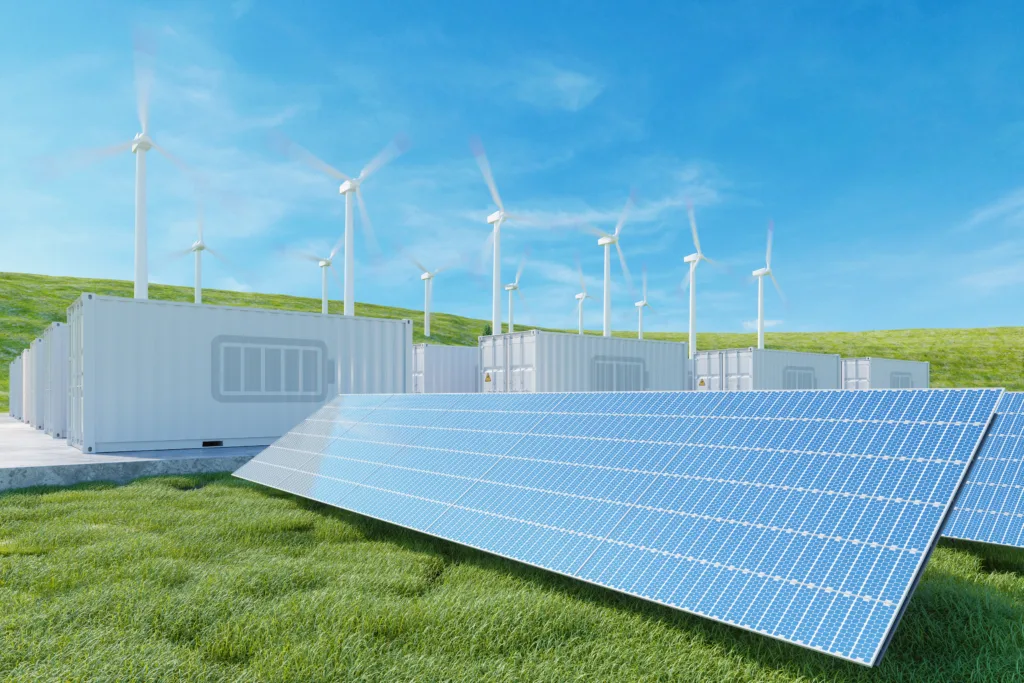
Phase I Results from a Simulation Exercise Assessing the Advantages of Leveraging the Full Capability of Existing IBRs
The first exploratory study undertaken by the project team assesses the impact of obtaining essential reliability services from existing IBRs to supplement services required from new IBRs with advanced capabilities.
Phase II Results from a Simulation Exercise Assessing the Advantages of Leveraging the Full Capability of Existing IBRs
The project team continued with developing a comprehensive framework for the assessment of system needs and the capabilities of all existing resources (including IBRs) to provide services in response to each of the needs.
Tutorial Materials:
Power System Needs and Services Operating with High Shares of Inverter-Based Resources
The tutorial covers the importance of grid reliability services – in particular, how system needs for services are changing with increasing shares of inverter-based resources (wind, solar PV and battery storage), how their location of delivery can impact system behavior, and how these needs can be met by a mix of resource technologies, including emerging grid-forming inverter technology.