
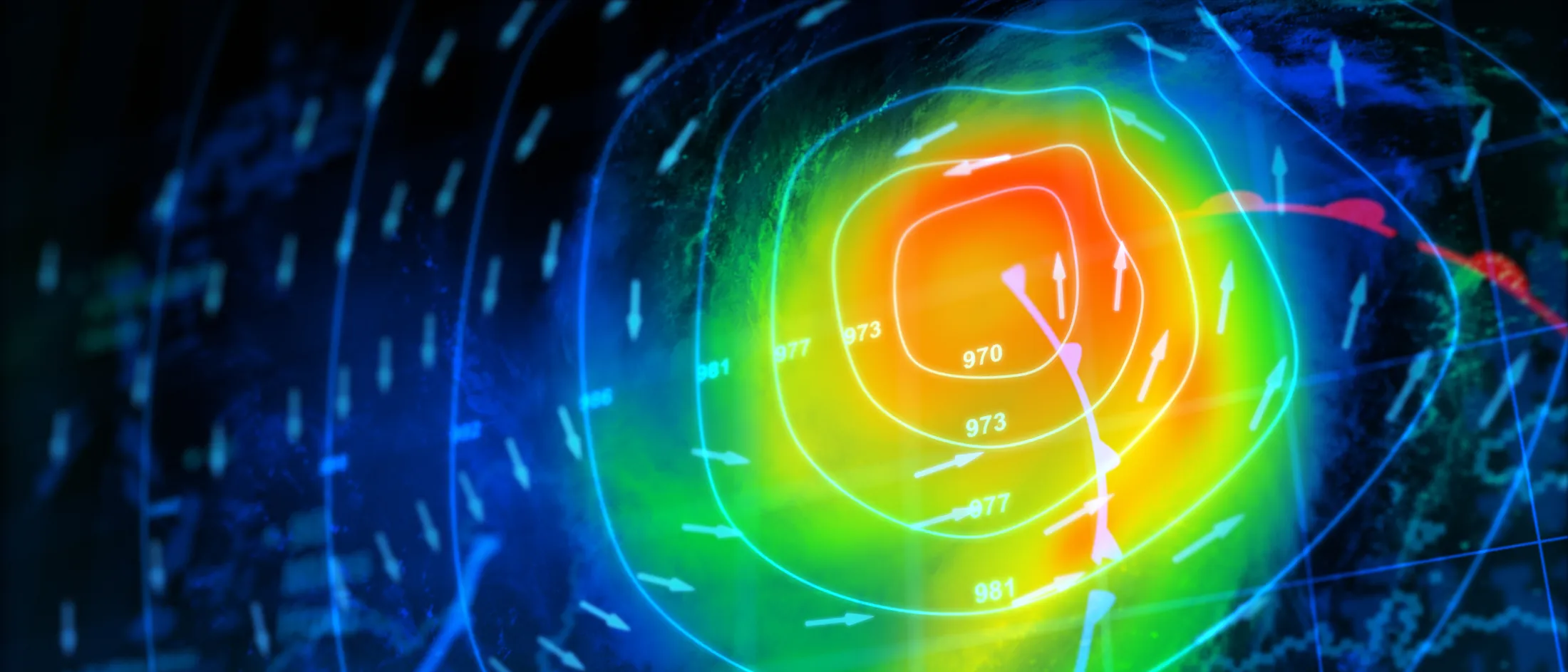
The energy transition is shifting the impact of weather on grid planning and operations, from one where weather (chiefly temperature) plays a primary role in modulating peak load and its timing, to one where weather is instrumental in driving system risks across multiple interconnected dimensions. Impacts include: wind and solar generation, load shape and magnitude, storage charge/discharge, and drivers of traditional system outages.
This task force convened a cross-disciplinary group of system engineers and atmospheric scientists to advance the application of weather data in power systems planning and operations. The focus will be on better use of existing weather inputs in resource adequacy analysis, including for capacity expansion and production cost modeling, and upon determining what is needed from a “next generation” dataset that will serve the needs of the sector throughout the energy transition.
Completed Work:
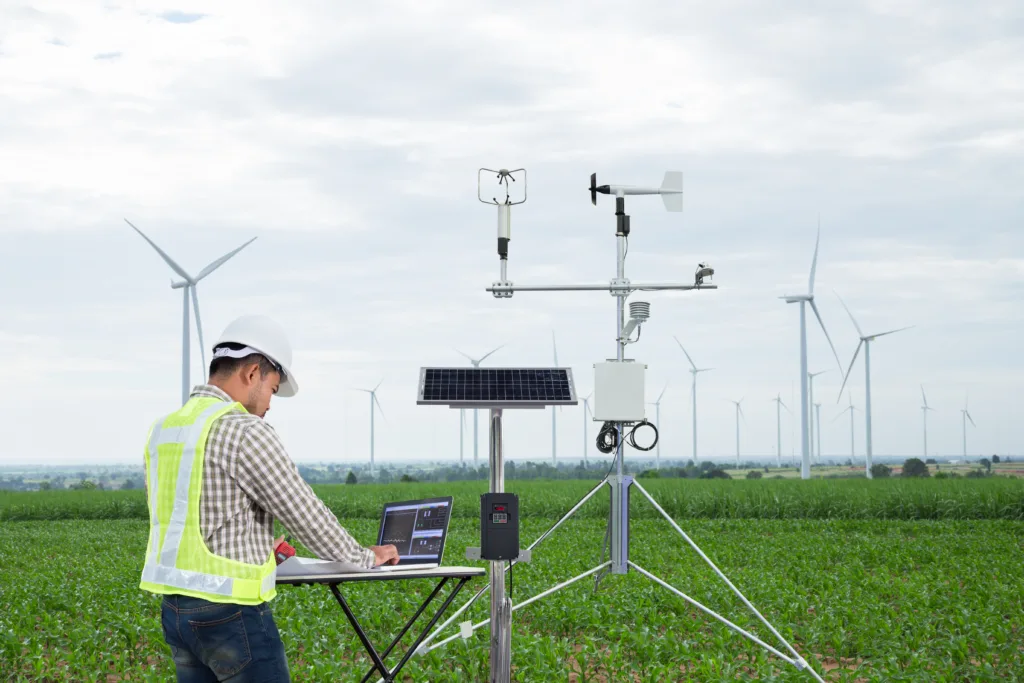
Weather Dataset Needs for Planning and Analyzing Modern Power Systems
This report provides details on what weather data is needed and why, outlines the status of and gaps in existing data and methods, and describes an approach to building a solid, long-term solution